
.svg)
Choose your language
Elige tu idioma
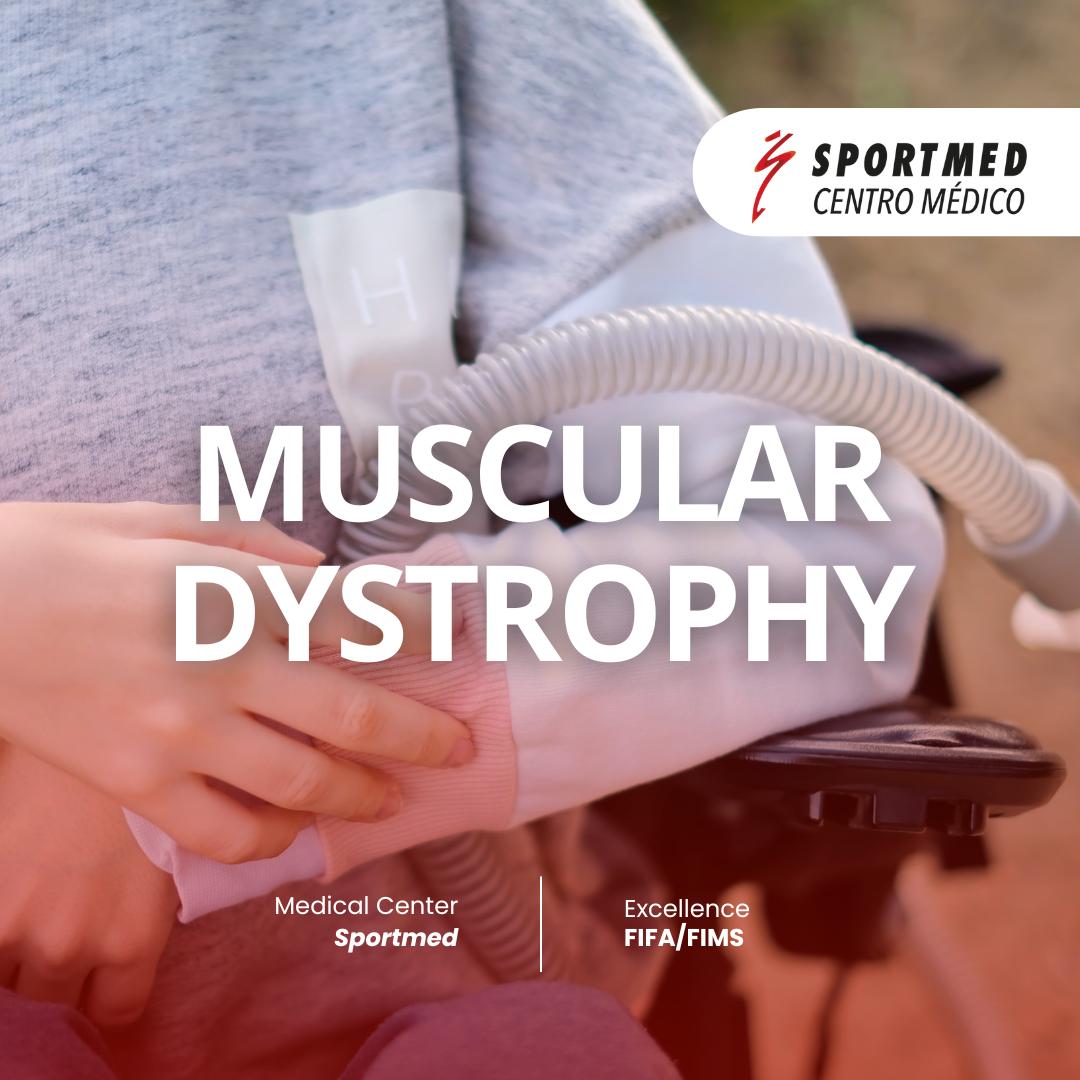
Muscular dystrophy refers to a group of genetic conditions that cause progressive weakening and loss of muscle mass over time. While there is no cure, consistent, well-coordinated care can help patients maintain strength, mobility, and quality of life for as long as possible. At SportMed, our team in Guadalajara and Nuevo Vallarta, led by Dr. Francisco Arroyo, a FIFA and FIMS certified specialist with over 25 years of experience, works alongside patients and families to build a long-term musculoskeletal management plan centered on physiotherapy, functional nutrition, and ongoing monitoring.
Focus Area: Muscular Dystrophy Management | Neuromuscular Physiotherapy | Functional Nutrition | Guadalajara & Nuevo Vallarta, Mexico
Muscular dystrophy is a group of inherited disorders that cause progressive degeneration and weakening of skeletal muscle over time. There are several distinct types, varying in the age of onset, the muscles primarily affected, and the rate of progression. While muscular dystrophy itself is a genetic condition without a cure, a coordinated care plan focused on physiotherapy, mobility support, and nutrition can meaningfully help patients maintain function and independence for longer.
Muscular dystrophy is a progressive genetic condition, so the goal of care is to help preserve strength, mobility, and independence for as long as possible rather than reverse the underlying disease. Many patients notice improved comfort and functional confidence within weeks of starting a structured physiotherapy program, though muscular dystrophy management is an ongoing, lifelong process that is periodically adjusted as functional needs change.
Don't just take our word for it, hear directly from patients we've helped get back to the activities they love, in the Patient Stories section of our homepage.
There is currently no cure for muscular dystrophy, but a coordinated care plan combining physiotherapy, mobility support, and nutrition can help patients maintain strength and function for as long as possible.
Physiotherapy helps maintain muscle strength, flexibility, and range of motion, which can slow functional decline and support day-to-day independence for patients living with muscular dystrophy.
No. Muscular dystrophy includes several distinct genetic conditions that differ in age of onset, muscles affected, and rate of progression, which is why SportMed builds an individualized care plan for each patient.
Because muscular dystrophy is progressive, regular follow-up visits are important so that physiotherapy, mobility support, and nutrition guidance can be adjusted as functional needs change over time.
Ready to feel your best again? Book your first session with SportMed and take the first step toward a pain-free, active life.

Get expert orthopedic and sports medicine care right in Guadalajara. Our experienced team is here to help you restore mobility, reduce pain & get back to doing what you love.
