
.svg)
Choose your language
Elige tu idioma
For patients hoping to avoid or delay surgery, regenerative therapy offers a way to support the body's own healing response at the cellular level. SportMed's team in Guadalajara and Nuevo Vallarta, under the direction of Dr. Francisco Arroyo, a FIFA and FIMS certified specialist with over 28 years of experience, applies stem cell therapy (using umbilical cord-derived mesenchymal stem cells, or MSCs), exosome therapy, and targeted peptide protocols, along with PRP injections for milder cases, always paired with personalized rehabilitation and functional nutrition.
)%20-%2050.png)
Focus Area: Regenerative Cell Therapy | Exosome Therapy | Peptide Therapy | PRP Injections | Regenerative Orthobiologics | Guadalajara & Nuevo Vallarta, Mexico
Last updated: August 17, 2026
For decades, medicine gave you two choices when your body broke down: manage the pain, or go under the knife. Physical therapy that never quite finishes the job. Surgery that stops the damage but never truly gives you back what you lost. Injections that mask the problem until it comes back louder.
For select conditions, regenerative therapy offers another path to consider alongside physical therapy and surgery.
Regenerative therapy (stem cells, exosomes, and targeted peptides) doesn't manage your condition. It works with your body's own repair systems to rebuild what's damaged, at the cellular level. This isn't science fiction. It's one of the fastest-growing branches of medicine in the world, and at SportMed, it's the treatment our patients ask for by name.
This is the page we'd want you to read even if you read nothing else on our site. If there's one treatment that represents where medicine is headed, and where your recovery could go, it's this one.
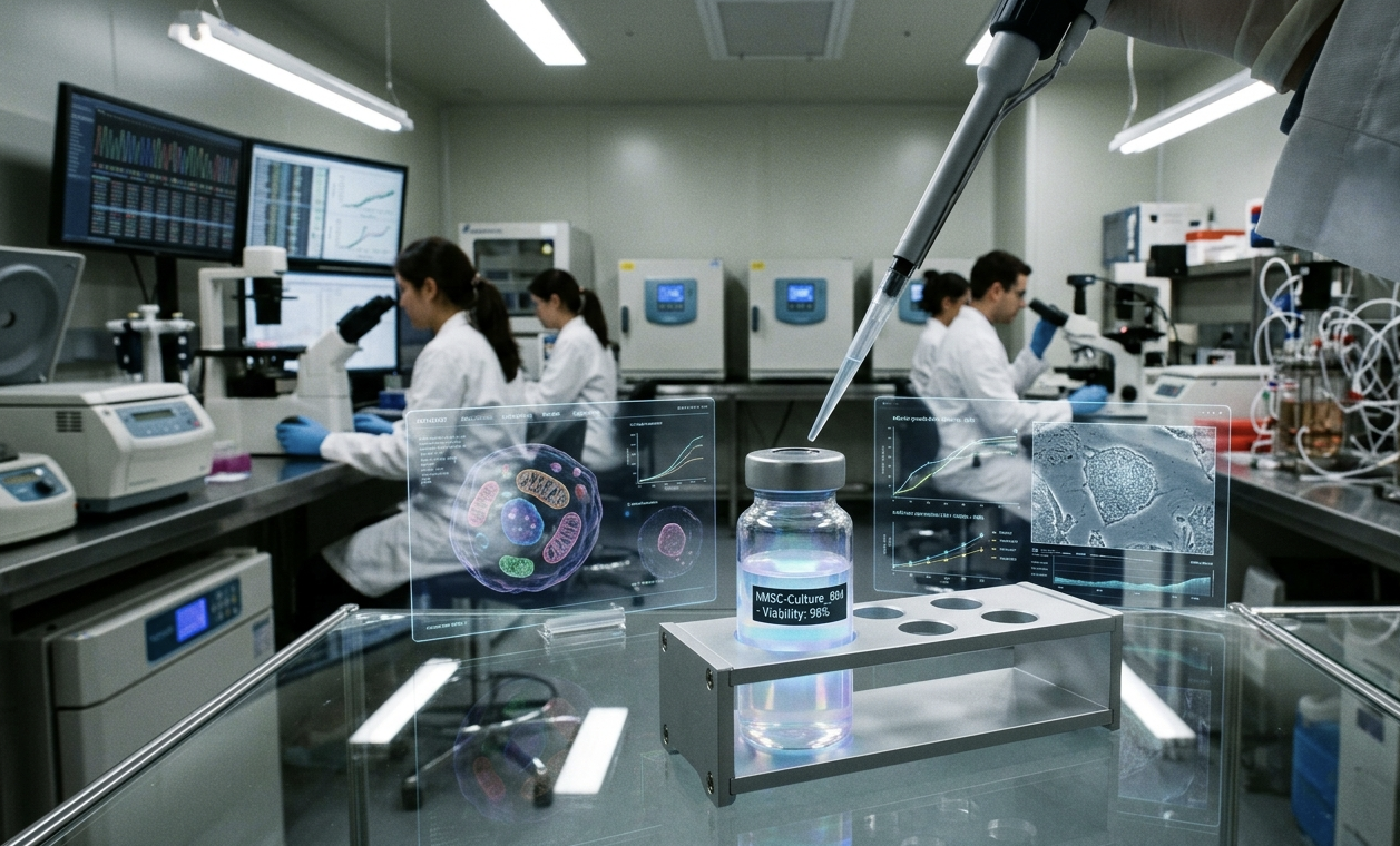
The regenerative medicine field is expanding quickly, with a growing body of clinical research and a fast-rising number of active trials across orthopedics and other specialties. Note: SportMed's regenerative therapy program is focused specifically on orthopedic and musculoskeletal applications, joint, tendon, ligament, and post-surgical recovery, not neurological or cardiac treatment.
This isn't a trend. It's a shift in what medicine considers possible.
Why the sudden acceleration?
Stem cells are your body's raw material for repair: cells with the ability to become the specific tissue your body needs at the injury site, whether that's cartilage, tendon, ligament, or muscle. At SportMed, the stem cells used are umbilical cord-derived mesenchymal stem cells (MSCs), sourced from donated umbilical cord tissue rather than the patient's own body, offering a consistent, high-potency cell population. When concentrated and delivered directly to damaged tissue, they accelerate a healing process your body was already trying (and struggling) to complete on its own.
Exosomes are the "instructions" stem cells send to surrounding cells: tiny signaling vesicles that tell damaged tissue how to repair itself, reduce inflammation, and rebuild. Where stem cells are the workers, exosomes are the blueprint. Cell-free and remarkably well-tolerated, they're increasingly used on their own or alongside stem cell treatment for a faster, more targeted regenerative effect.
Peptides are short chains of amino acids that act like precision keys, unlocking specific repair, recovery, and anti-inflammatory processes in the body. Used alongside stem cells and exosomes, targeted peptide protocols help extend and reinforce the regenerative effect long after your appointment ends. (This is also where our sister company, Kinesa, comes in: Kinesa's peptide capsule protocols are designed to complement in-clinic regenerative treatment with ongoing, at-home support for recovery, longevity, and performance.)
We also offer PRP (platelet-rich plasma) injections, our most accessible, lowest-cost entry point into regenerative care. PRP uses concentrated platelets from your own blood to support healing, and it can be a reasonable starting point for milder, early-stage cases. But it doesn't match the depth of biological activity or the results possible with stem cells, exosomes, and peptide protocols, which is why, for anyone dealing with meaningful joint, tendon, or tissue damage, our team typically builds treatment plans around those three tools first.
Together, stem cells, exosomes, and peptides represent the most advanced, least invasive path to real tissue repair available today.
Patients considering regenerative options often want to understand exactly how these approaches differ. Here's a straightforward comparison:
Stem Cell Therapy (Umbilical Cord-Derived MSCs)
PRP (Platelet-Rich Plasma)
Traditional Treatment (Physical Therapy, Cortisone, or Surgery)
Which option makes sense depends on the specific injury, its severity, and your goals. A consultation with our regenerative medicine team can clarify where you fall.
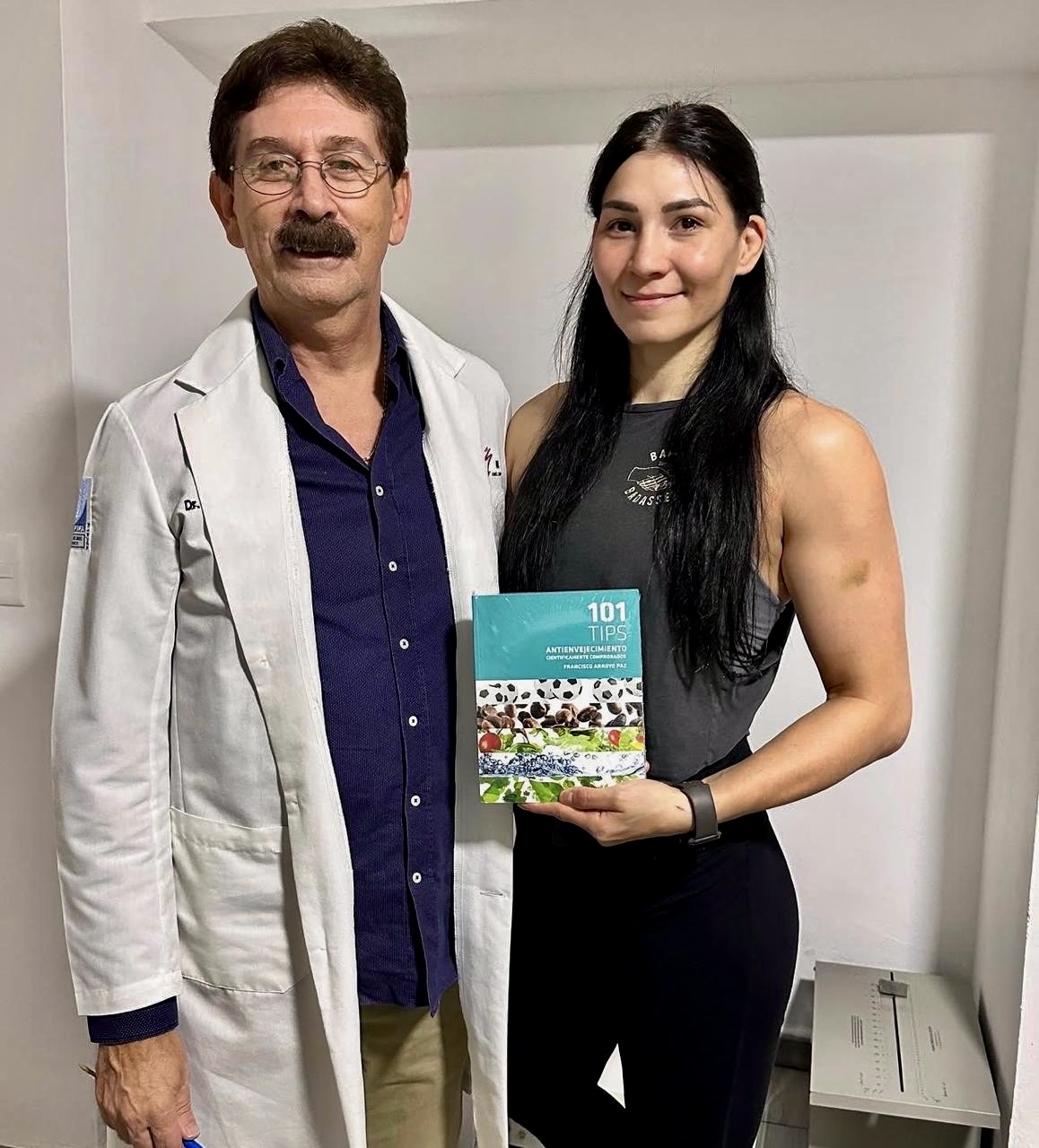
The stories below are composites drawn from real, publicly documented patient experiences and clinical outcomes in regenerative medicine. Details have been changed to protect privacy.
"I was told a knee replacement was inevitable. It wasn't."
A patient in his late 50s had lived with knee osteoarthritis for over six years. Physical therapy helped for a while. Cortisone injections helped less each time. His orthopedic surgeon's advice was the same every visit: "You'll need a replacement eventually. The only question is when." Rather than wait for "eventually," he pursued stem cell therapy instead. Within months, his pain scores dropped significantly and his mobility improved enough to return to hiking, an activity he'd quietly given up on. In similar patients treated with a single stem cell injection for knee osteoarthritis, published outcomes research has reported that a large majority are able to delay or avoid total knee replacement in the years following treatment. He didn't get a new knee. He got his knee back.
"I went from 'my career might be over' to setting a new personal best."
A competitive strength athlete tore a hamstring tendon badly enough that his physical therapist estimated a 4-6 month layoff, with no guarantee he'd return to prior form. Determined to protect both his body and his season, he combined regenerative peptide therapy with a structured rehab plan. Anecdotal reports across the sports medicine community describe similarly injured athletes returning to full training, and in some cases personal-best lifts, in a fraction of the time tissue typically takes to heal unassisted. He was back under the bar before his teammates finished their "prevent re-injury" checklist. Individual results vary based on the injury, protocol, and patient, but stories like these are exactly why regenerative medicine is generating so much attention in sports recovery right now.
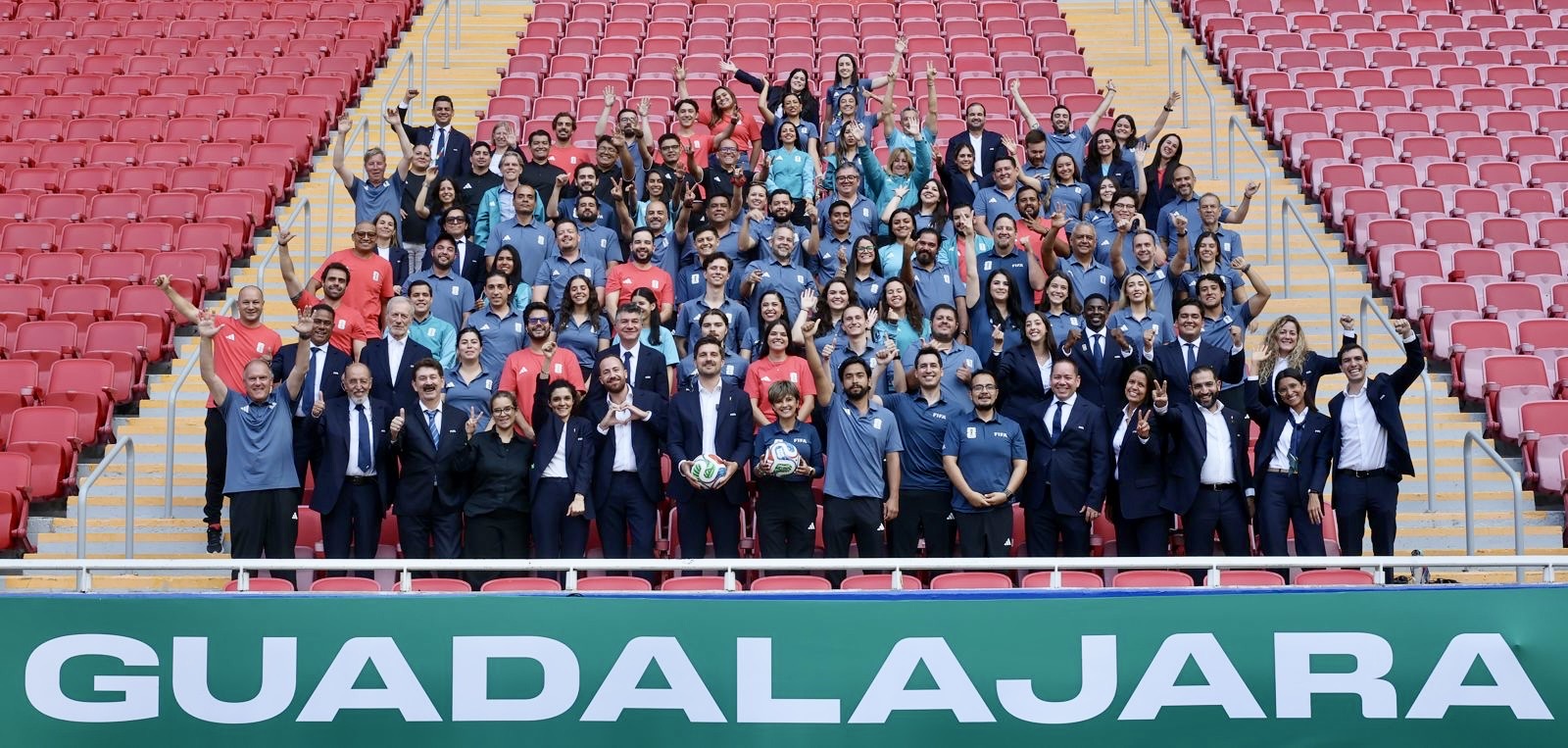
At SportMed, regenerative therapy is led by Dr. Francisco Arroyo, a FIFA and FIMS certified specialist with over 28 years of experience, supported by a team focused on advanced cellular medicine in Guadalajara and Nuevo Vallarta.
This page is overseen by Dr. Francisco Arroyo, director of SportMed's regenerative medicine program in Guadalajara and Nuevo Vallarta. Dr. Arroyo is a FIFA- and FIMS-certified specialist with over 28 years of experience, and SportMed operates as a FIFA Medical Centre of Excellence and a FIMS (International Federation of Sports Medicine) collaborating center.
Every year you wait may be a year of tissue damage that regenerative medicine could help repair instead. The field continues to grow rapidly as more patients and physicians explore it as an option alongside, or instead of, invasive surgery for certain conditions.
If you've read this far, you already suspect this might be the answer you've been looking for. The next step is a conversation, not a commitment.
Regenerative therapy at SportMed is built for people who refuse to accept "that's just aging" or "you'll need surgery eventually" as the final word. You may be a strong candidate if you're dealing with:
The best way to know for certain is a consultation with our regenerative medicine team, who will evaluate your imaging, history, and goals before recommending a protocol. Take the quick quiz below to see where you stand.
Cost varies depending on the specific protocol (stem cells, exosomes, peptides, or PRP) and the number of sessions your case requires. Because treatment plans are personalized, exact pricing is provided during your consultation after your imaging and history have been reviewed.
Regenerative treatments such as stem cell therapy, exosome therapy, and PRP are still considered emerging or elective by most insurance providers, so coverage varies widely and is often limited or unavailable. Our team can help you understand what to expect and discuss payment options during your consultation.
This depends on the condition being treated and the protocol recommended. Some patients see meaningful improvement from a single stem cell or PRP injection, while others benefit from a short series of sessions combined with peptide therapy and rehabilitation. Your treatment plan is built around your specific case.
Most patients describe the injection itself as similar to a routine injection, with mild, temporary soreness at the injection site afterward. Discomfort is generally manageable and short-lived compared to the recovery associated with surgery.
Ready to feel your best again? Book your first session with SportMed and take the first step toward a pain-free, active life.

Get expert orthopedic and sports medicine care right in Guadalajara. Our experienced team is here to help you restore mobility, reduce pain & get back to doing what you love.
